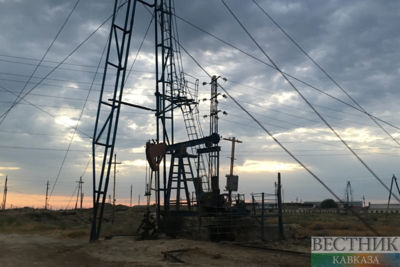
US may ease sanctions on vessels-transporting Russian oil
The United States is looking at easing sanctions against vessels that have been used to ship oil from Russia, Iran, and Venezuela, Reuters reported, citing a U.S. official.
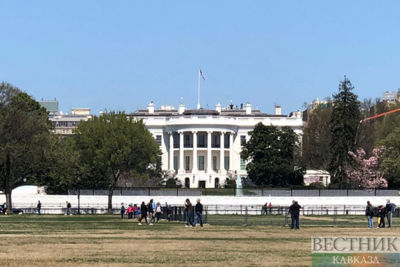
The United States is looking at easing sanctions against vessels that have been used to ship oil from Russia, Iran, and Venezuela, Reuters reported, citing a U.S. official.
According to Alexander Novak, Russia intends to comply with its established oil production quota and fulfil its OPEC+ obligations to the fullest possible extent.
Russian Minister of Economic Development Maxim Reshetnikov stated that oil production in Russia will total 494 million tonnes this year and could reach the 500-million-tonne mark by 2027.
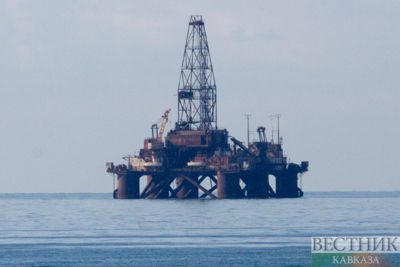
The House of Representatives of the U.S. Congress has passed the bill to toughen anti-Russian sanctions previously approved by the U.S. Senate. The Republican-majority House voted 262 to 159 in favor of the bill. The …
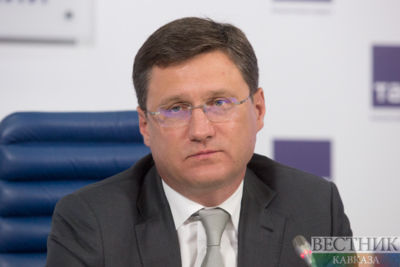
Russia currently sends 94% of its oil exports to friendly countries, Russian Deputy Prime Minister Alexander Novak said at the Russia-China Energy Business Forum.
Russia's share in oil supplies to China reached a record 23% this year, making it the largest exporter to the country, Rosneft CEO Igor Sechin said.
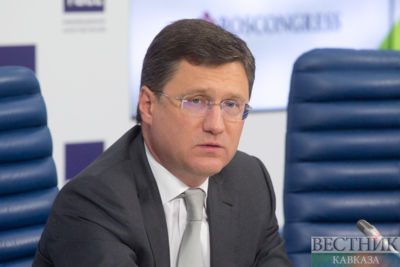
Oil production in Russia is currently somewhat lower than the forecast for this year due to the decrease in crude refining, but it will be ramped up as refineries are restored, Russian Deputy Prime Minister Alexander Novak said on the sidelines of the Eastern Economic Forum (EEF).
Russia’s oil and condensate reserves increased by 45 mln tons in the first half of 2026, while gas reserves added 156 bln cubic meters, head of the Federal Agency for Mineral Resources (Rosnedra) Oleg Kazanov said.
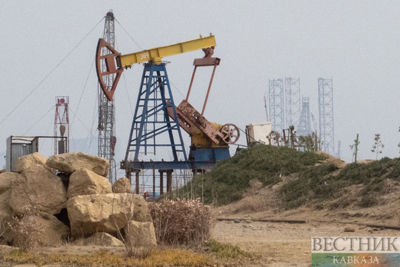
Kazakhstan’s Energy Ministry said the country’s Kondensat oil refinery will process Russian oil, with 70% of the resulting petroleum products to be shipped to Russia and the remaining 30% retained in Kazakhstan, Kazakh Energy Minister Yerlan Akkenzhenov said.
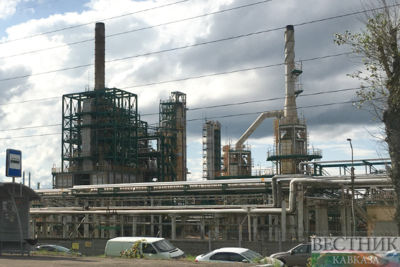
Russia's budget saw an 18% rise in non‑oil and gas revenues this year, while income from the oil and gas sector declined.
The seven OPEC+ nations, namely Saudi Arabia, Russia, Iraq, Kuwait, Kazakhstan, Algeria, and Oman, have agreed to increase daily oil production in September by 188,000 (on August), OPEC said after their meeting.
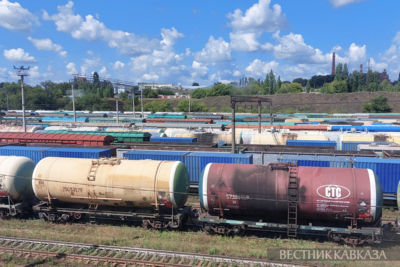
Kazakhstan is in talks with Russia to process Russian oil at its refineries with the products to be sold domestically and supplied back to Russia, the Kazakh Ministry of Energy said.
EU ambassadors have failed to agree on the 21st package of sanctions against Russia, with negotiations postponed until July 23, a diplomatic source in Brussels said.
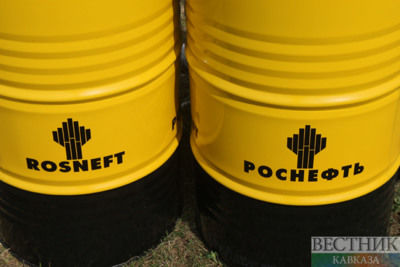
Seven OPEC+ members have agreed to boost oil output by 188,000 bpd in August
Discussions with other countries on potential fuel imports was the main topics of Tuesday’s briefing by Kremlin Spokesman Dmitry Peskov.
Global oil prices could rise by another approximately $100 per barrel under new restrictions on Russian oil and exceed $250 per barrel, Executive Secretary of the presidential commission on fuel and energy sector development strategy and environmental security and Rosneft CEO Igor Sechin said.
The European Union is considering imposing new restrictive measures against Russian companies Lukoil and Rosneft as part of preparations for the 21st sanctions package, Politico reported, citing documents related to negotiations on sanctions policy.
According to media reports, the EU's price cap on Russian oil may be frozen amid the ongoing blockade of the Strait of Hormuz.
Following Washington's example, the UK has loosened restrictions on Russian oil due to the tensions in the Strait of Hormuz.
The USA government has opted to temporarily ease sanctions on Russian oil in response to the necessity of stabilizing the energy market.